
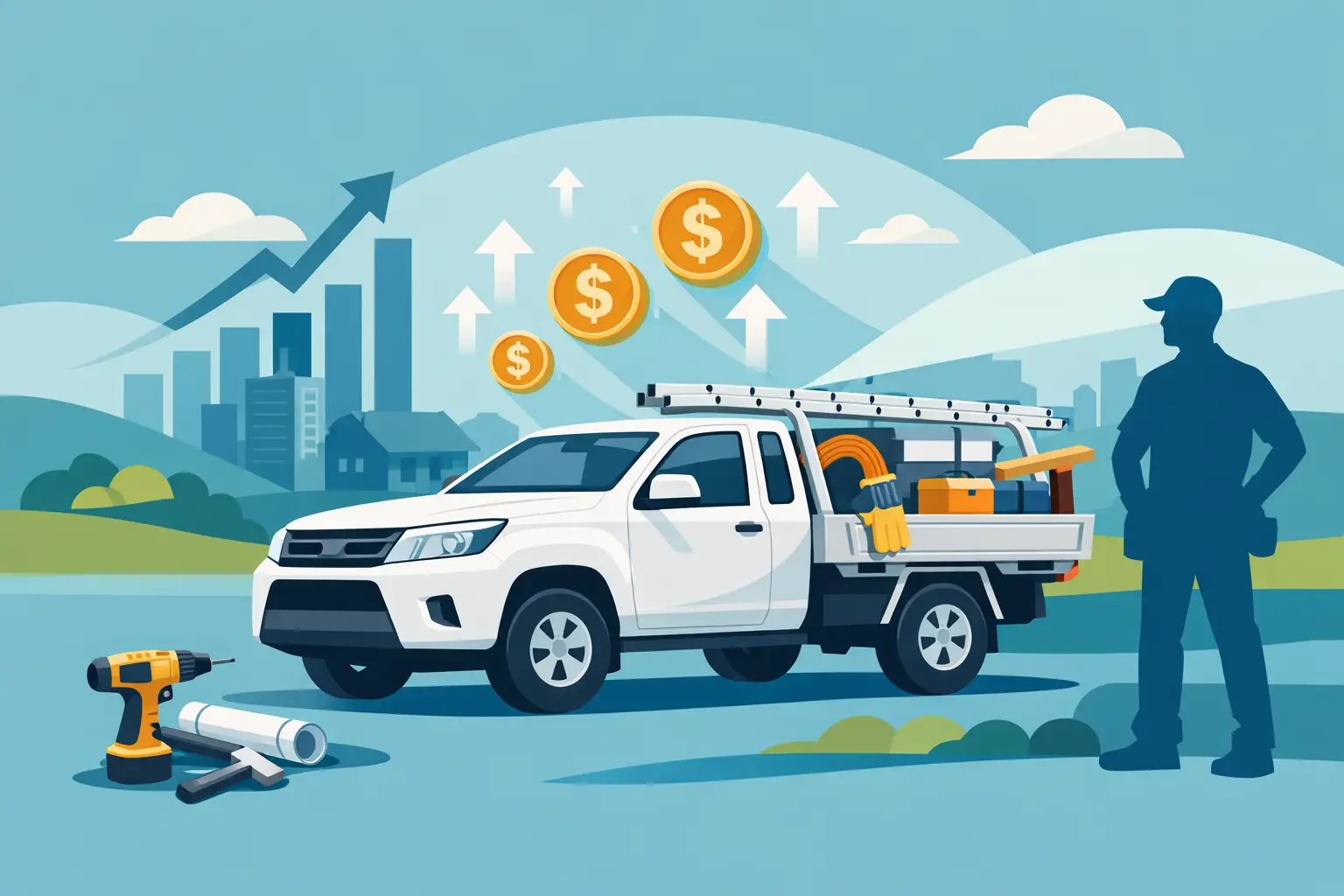
A ute is not a nice-to-have when you’re on the tools. It’s how you get to site, carry gear, tow equipment and keep work moving. That’s why ute finance for tradies needs to do more than just get a deal over the line. It needs to fit the way you earn, spend and operate day-to-day.
For a lot of tradies, the real issue isn’t whether to finance a ute. It’s how to do it without wasting time, getting buried in paperwork or ending up with repayments that bite when work goes quiet. A good finance setup should feel straightforward from the start and still make sense six months down the track.
Why ute finance matters for tradies
If your ute is off the road, too small for the job or costing a fortune in repairs, it affects more than convenience. It can limit the jobs you take on, slow down your team and hit your income. Upgrading to the right vehicle can make work easier, but paying cash is not always the smartest move.
Keeping cash in the business often matters more than owning a vehicle outright on day one. Materials, wages, insurance, petrol and tax all compete for the same dollars. Finance can help spread the cost so you’re not draining working capital just to replace or upgrade a work vehicle.
That said, finance is not one-size-fits-all. A sole trader with two years of steady income may have very different options from a newly registered business, a subcontractor with seasonal cash flow or a company buying multiple vehicles at once. The best structure depends on how stable your income is, how the ute will be used and how much flexibility you need.
How ute finance for tradies usually works
Most ute loans are set up as asset finance, where the vehicle helps support the lending decision. In simple terms, you choose the ute, the lender assesses your application, and if approved, the loan is repaid over an agreed term in regular instalments. Once the finance is finalised, you can get the vehicle on the road and get back to work.
Repayments are usually made weekly, fortnightly or monthly, depending on what suits your cash flow. That choice matters more than people think. If you invoice weekly and get paid regularly, weekly repayments can be easier to manage. If your income lands in larger chunks, monthly may suit better.
You may also have the option of a balloon payment at the end of the loan. This can reduce your regular repayments during the term, which helps with cash flow, but it does mean a larger amount is left to pay later. For some tradies, that works well if they plan to trade in the ute before the term ends. For others, it just pushes pressure down the road.
What lenders look at
Lenders are not only looking at your credit file. They also want to understand whether the loan is affordable and whether the ute makes sense for your situation. If you’re a tradie buying a work vehicle, that usually helps your case because the asset is tied to earning income.
They may look at your ABN, time in business, recent bank statements, taxable income and existing debts. Some lenders are comfortable with newer businesses, while others prefer to see a longer trading history. That’s where having access to a broad lender panel can make a real difference. One lender might say no based on policy, while another may be comfortable with the same deal.
Credit history still matters, but a past issue does not always end the conversation. If you’ve had a rough patch and your recent conduct is stronger, there may still be options. The key is matching your application to lenders whose credit appetite suits your profile rather than applying blindly and hoping for the best.
New, used or private sale – it can all affect the loan
A brand-new ute is often easier to finance because the asset is newer and easier for a lender to value. Used utes are also common, but the age, kilometres and condition can affect both approval and pricing. Some lenders have limits on vehicle age at the start or end of the loan term.
Private sales can be a little more involved than buying through a dealer, simply because there is more checking around the vehicle and seller. It does not mean it cannot be done. It just means the finance process may need a bit more coordination.
This is where practical guidance matters. A cheap ute is not always cheap if it is hard to finance, expensive to insure or likely to spend time in the workshop. Likewise, a more expensive vehicle may be the better buy if it is reliable, fits your workload and holds value well.
Choosing a loan that suits your cash flow
The lowest rate on paper is not always the best outcome. What matters is whether the loan works with the way money moves through your business. A repayment that looks fine during a busy quarter can feel very different during wet weather, delays or quiet periods.
Start with the realistic amount you can afford, not the maximum a lender may approve. Leave room for petrol, servicing, rego, tools and the unexpected. If the ute needs a fit-out, shelving, racks or towing gear, factor that in too. Many borrowers focus on the purchase price and forget the total setup cost.
Loan term also matters. A longer term can reduce repayments and help with short-term breathing room, but you may pay more overall. A shorter term can save on interest, but only if the repayment fits comfortably. There’s no single right answer. It depends on whether your priority is lower monthly pressure or lower total cost.
Common mistakes tradies make with ute finance
One of the biggest mistakes is rushing the vehicle choice before checking finance options. It’s easy to put down a deposit, assume approval will be simple, then find the structure does not suit your income or the vehicle falls outside a lender’s policy.
Another common issue is underestimating how much documentation helps speed things up. Even when the process is designed to be simple, clear bank statements, ID and business details can make the difference between a quick outcome and days of back-and-forth.
Some tradies also chase the cheapest advertised rate without looking at fees, flexibility or approval fit. A sharper rate is great, but not if the lender is slow, the paperwork drags on or the loan terms are too rigid for a self-employed borrower.
Why broker support can save time
If you’re comparing lenders yourself, you’re not just comparing rates. You’re trying to work out which lenders are likely to approve your situation, what documents they need, how quickly they move and whether their loan structure actually suits the way you work.
That’s where a broker can take a lot of friction out of the process. Instead of filling out multiple applications and fielding calls from different finance teams, you can have one point of contact helping line up suitable options. The right broker does more than pass on a quote. They help package the application properly, explain trade-offs clearly and keep things moving.
For busy tradies, that matters. Time spent chasing finance is time not spent quoting, invoicing or working on site. A broker-led approach can make the process faster and a lot less painful, especially when timing matters and the ute is needed for work.
Getting ready before you apply
A smoother approval usually starts with a bit of prep. Know roughly what you want to spend, what the ute will be used for and what repayment range feels manageable. Have your licence, ABN details and recent financial documents ready if they’re likely to be needed.
It also helps to be upfront. If your income varies, say so. If you’ve had a credit issue in the past, mention it early. Clear information makes it easier to find lenders that fit your circumstances instead of wasting time on ones that don’t.
At Rivercity Finance, the goal is to keep ute finance for tradies simple, fast and tailored to the borrower in front of us – not force everyone into the same box. That matters when your vehicle is part of how you earn your living.
The right ute finance should help you get on the road with confidence, not leave you second-guessing every repayment. If the loan fits your work, your budget and your plans, it stops being a headache and starts doing the job it’s meant to do.