
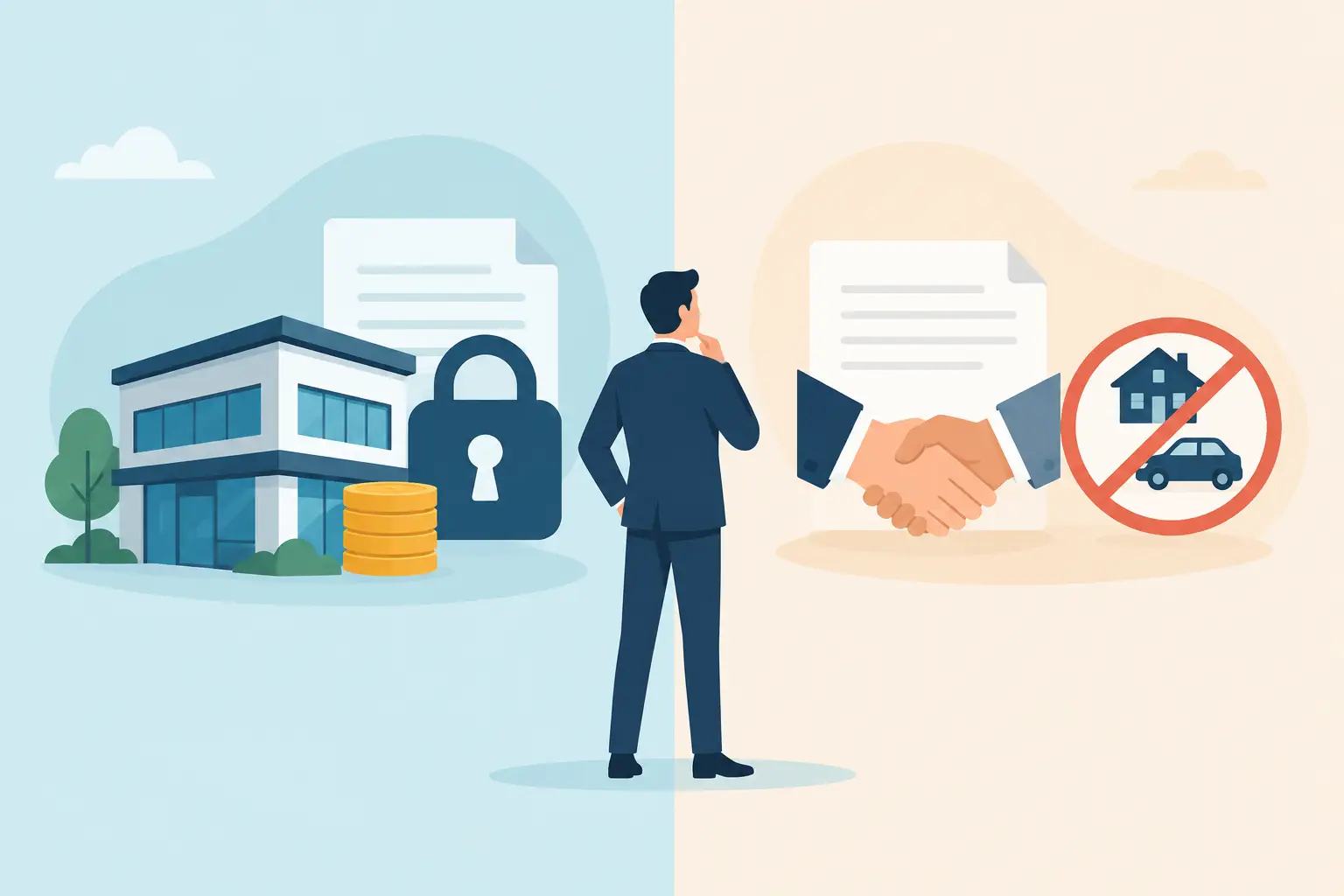
A new truck, an extra excavator or stock to cover a busy contract can create a simple question with a less-simple answer: should you offer security? Secured versus unsecured business lending is not just about getting approved. It affects the rate, loan term, paperwork, risk to your assets and the amount a lender may be prepared to provide.
For Australian business owners, tradies and commercial operators, the right choice depends on what the funds are for, how predictable your cash flow is and what security is available. A lower rate can be valuable, but not if the security structure does not suit your business or puts unnecessary pressure on the people behind it.
What secured business lending means
Secured business lending is finance backed by an asset or other agreed security. If repayments are not met under the loan agreement, the lender may have rights to recover and sell that security to reduce the outstanding debt.
For many equipment and vehicle purchases, the asset being funded is the security. A lender may take security over a ute, truck, trailer, machine, plant equipment or other commercial asset. This is common because the loan has a clear purpose and the asset generally has a resale value.
Security can also extend beyond the item being purchased. Depending on the lender, facility size and business structure, this may include a general security interest over business assets, a director’s personal guarantee or other supporting security. These terms matter. A loan described as secured may be secured in more than one way, so read the proposed security requirements rather than relying on the headline alone.
Because the lender has security to support the loan, secured facilities often offer sharper pricing, longer terms or higher borrowing limits than an equivalent unsecured option. They can be a practical fit where finance is being used to acquire an income-producing asset over several years.
What unsecured business lending means
Unsecured business lending does not rely on a specific asset being pledged as security for the facility. Instead, the lender will place greater weight on the strength of the business itself: its turnover, trading history, cash flow, existing commitments and the credit profile of the business and, in many cases, its directors.
This can suit a business that needs working capital for expenses that cannot easily be tied to one asset. Think materials for a confirmed job, wages during a growth period, a deposit for stock, marketing, or short-term operating costs while invoices are due to be paid.
Unsecured does not mean risk-free for the borrower or that no further commitments are involved. Some lenders may still require personal guarantees from company directors, and the facility agreement will set out what happens if repayments are missed. It simply means the lender is not taking a registered interest over a particular financed asset as the primary security for that loan.
The trade-off is usually cost and term. With less asset security behind the lending, unsecured business finance may have higher rates or fees, shorter repayment periods and more conservative limits. Approval can be fast where the application is straightforward, but it is not automatic. Strong trading evidence remains important.
Secured versus unsecured business lending: the practical differences
The most useful way to compare the two is to look past the label and consider the job the funds need to do.
A secured facility is often designed around an identifiable asset with a usable life that matches the loan term. Financing a truck over a sensible period can help keep repayments aligned with the income it generates. The lender can value the truck, understand its resale market and structure the finance accordingly.
An unsecured facility is more commonly used where the purpose is broader or short-term. If a construction business needs capital to mobilise for a new project before the first progress payment arrives, there may be no single asset for a lender to take as security. The focus shifts to whether the business can comfortably service the repayments from regular cash flow.
Cost is another major difference, but it should not be viewed in isolation. Secured finance may have a lower rate, yet the total outcome also depends on the term, establishment fees, any balloon or residual structure, insurance obligations and the impact on cash flow. An unsecured facility may cost more per dollar borrowed, but a shorter term can make sense for a short-lived funding need. The goal is not simply the cheapest rate. It is a facility that suits the asset, the timing and the business’s ability to repay.
When secured lending may suit your business
Secured lending can be a sensible starting point when you are buying an asset that will earn income or support ongoing operations. Transport operators adding a prime mover, tradies upgrading a work ute, and civil contractors purchasing machinery are typical examples.
It may also suit established businesses seeking a larger amount or a longer repayment term. Security can give a lender more confidence, particularly when the asset is well known, readily valued and commercially useful. That confidence may translate into more flexible terms than an unsecured application can support.
However, security should be treated seriously. If the asset is essential to daily operations, losing it after a sustained repayment problem could disrupt the business. Before proceeding, consider how the repayments would hold up during quieter months, delayed customer payments or an unexpected repair bill.
When unsecured lending may be the better fit
Unsecured business lending may be worth considering when speed and flexibility matter more than funding a specific asset. It can help bridge a short-term cash flow requirement, support a new contract or cover business costs where tying up an asset is not appropriate.
It can also be useful where a business has valuable assets but prefers not to offer them as security for a relatively modest funding requirement. That said, lenders will generally want to see a clear reason for the funds and evidence that repayments are affordable.
Shorter terms require particular care. A facility that looks manageable on an annual basis can still create pressure if repayments are frequent and income is uneven. Seasonal operators, contractors paid on milestones and businesses with large invoices should match the repayment schedule to their real cash flow cycle where possible.
Questions to ask before you apply
Before choosing between secured and unsecured finance, get clear on four practical points:
- What is the money for, and how long will that benefit last?
- Will the financed asset generate income or reduce operating costs?
- What repayments can the business handle in a quieter trading period?
- What security, guarantees and fees are required under the proposed facility?
These questions help avoid a common mistake: using short-term finance to fund a long-term purchase, or taking a long repayment term for a brief cash flow need. Neither option is automatically wrong, but the structure should match the purpose.
It is also worth checking whether existing finance arrangements affect your options. Lenders may review current vehicle or equipment loans, credit limits and any registered security interests when assessing a new application. Having accurate figures ready can reduce delays and help present a cleaner application.
What lenders commonly assess
Whether a loan is secured or unsecured, lenders want a credible picture of repayment capacity. Requirements vary, but they may consider the business’s time trading, turnover, bank statements, existing debts, industry experience and the purpose of the funds. For asset finance, they will also look at the asset itself, including its age, value and suitability for the work.
A newer business is not necessarily out of the running, particularly where there is a strong asset, relevant experience or a clear contract pipeline. But options may be different from those available to a business with several years of consistent trading history. Clear information upfront gives a broker and lender a better chance of finding a suitable path without unnecessary back-and-forth.
Get the structure right, not just the approval
The best funding option is usually the one that supports the next move in your business without creating avoidable strain later. Secured finance can be a strong tool for vehicles, equipment and other productive assets. Unsecured finance can provide useful flexibility for shorter-term business needs. Both have a place when the purpose, repayment term and security requirements make sense together.
Rivercity Finance can compare options from a broad panel of Australian lenders and explain the security requirements in plain English, so you can move forward knowing what you are agreeing to and why it suits the job at hand.