
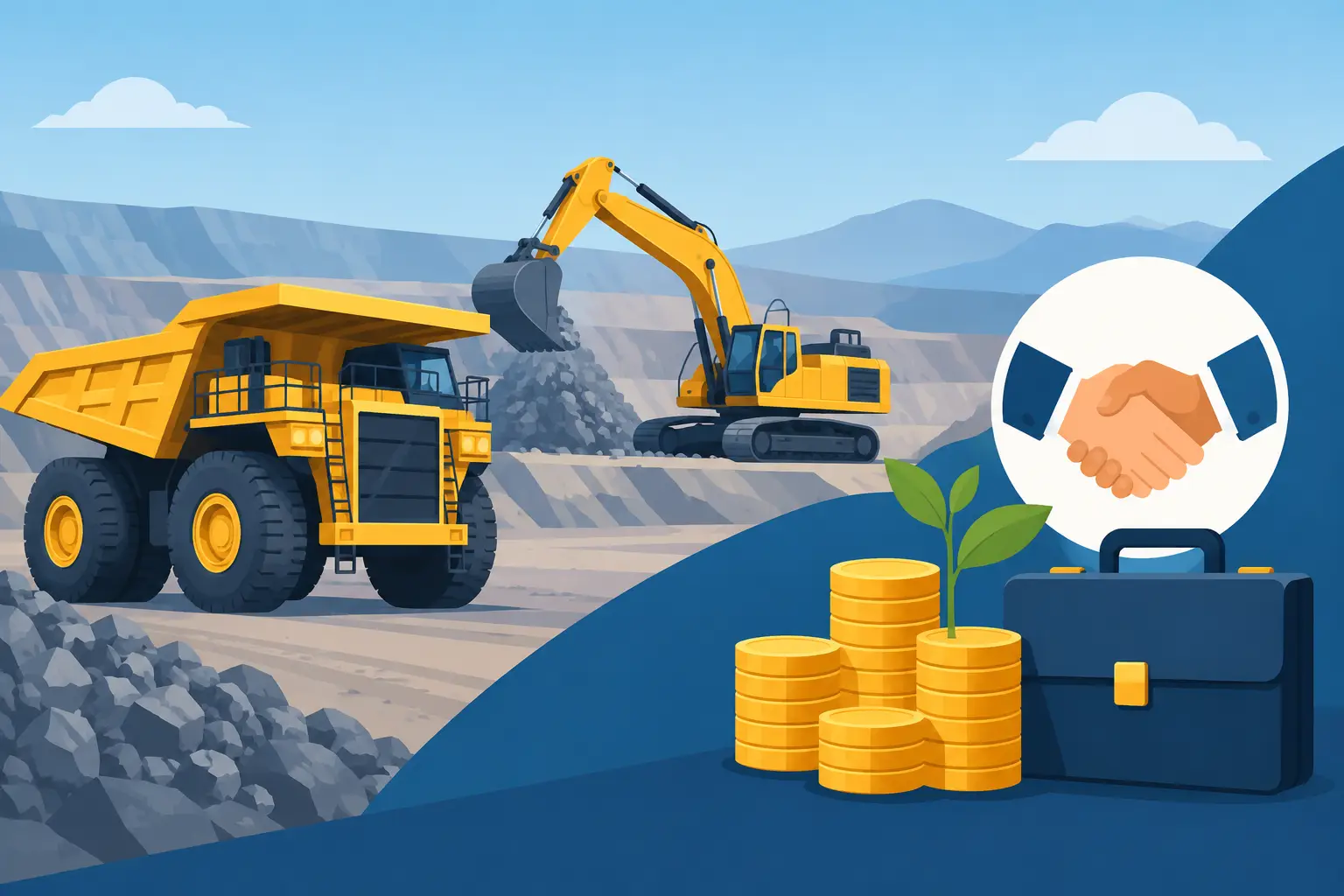
A signed mobilisation date can turn an equipment purchase from a future plan into an immediate priority. Mining contractor equipment funding helps Australian operators acquire the plant, vehicles and attachments needed to start work, meet production targets and take on larger contracts without tying up all available cash in one purchase.
For contractors, the right finance structure is rarely just about getting the lowest advertised rate. It needs to suit the equipment’s working life, the payment profile of the contract and the strength of the business behind the application. A haul truck, water cart or excavator may earn income from day one, but the funding arrangement still needs to leave enough room for wages, fuel, mobilisation costs and the unexpected delays that can come with site work.
Why equipment funding matters on mining sites
Mining and civil contracts can demand substantial upfront investment. Before a machine turns a wheel on site, a contractor may need to purchase or upgrade plant, fit site-specific safety equipment, arrange transport, insure the asset and cover onboarding costs. Paying cash for every asset can put pressure on working capital at exactly the point the business needs flexibility.
Equipment finance spreads the cost over an agreed term, usually through regular repayments. This can allow a contractor to preserve cash for day-to-day operations while putting productive equipment to work sooner. It may also make it practical to replace ageing machinery before breakdowns, downtime and repair bills begin affecting project performance.
That said, finance is not a substitute for a sound operating plan. Taking on repayments for a machine with no clear workload is a different proposition from funding equipment backed by a live contract or a consistent pipeline of work. Lenders will look at that distinction closely, and so should the borrower.
What mining contractor equipment funding can cover
Funding can be used for a wide range of income-producing assets, depending on the lender and the individual deal. This includes excavators, dozers, graders, loaders, rollers, drill rigs, crushers, screening equipment, generators, pumps, lighting towers, site vehicles, utes, trucks, trailers, water carts and specialised attachments.
New equipment is often straightforward because its value, supplier details and warranty position are clear. Used plant can also be funded, although the age, hours, condition and resale value of the asset may influence the available term and deposit requirement. Highly specialised equipment can require more lender consideration than common plant with an established second-hand market.
The supplier matters too. Equipment purchased through an established dealer generally gives lenders more comfort than a private sale, particularly where the asset is older or specialised. Private purchases are still possible in many cases, but supporting documents and inspections may be required.
Choosing a finance structure that fits the job
There is no single best facility for every contractor. The right option depends on how long you expect to keep the equipment, whether you want ownership at the end of the term and how predictable your cash flow is.
Chattel mortgage
A chattel mortgage is commonly used when a business wants to own the equipment from the start. The lender takes security over the asset while the business makes repayments over a set term. A deposit and balloon payment can sometimes be included, subject to lender criteria.
This option can suit established operators buying plant they intend to keep for several years. A larger balloon may reduce regular repayments, but it leaves a lump sum to manage at the end. It works best when the contractor has a realistic plan for refinancing, trading the asset or paying out the balance.
Finance lease or hire purchase
A finance lease or hire purchase arrangement can suit businesses that prefer a different ownership pathway or payment structure. The practical differences matter, so it is worth discussing the commercial outcome you want rather than selecting a product based on its name alone.
For example, a contractor upgrading a fleet on a long-term project may value predictable payments and a clear end-of-term option. Another business might prioritise immediate ownership. The equipment, contract duration and broader business plans should guide the conversation.
Operating lease and rental-style options
For equipment with a defined short-to-medium-term need, an operating lease or rental-style arrangement may be worth considering. This can be useful when a contract has a fixed duration, technology changes quickly or the contractor wants to avoid holding an asset after the work ends.
The trade-off is that these arrangements may cost more over time or offer less flexibility than ownership-based finance. They are most useful when flexibility and reduced residual-value exposure matter more than owning the machine outright.
What lenders are likely to assess
Lenders assess the asset, but they also assess the business’s ability to service the proposed repayments. A strong application makes it easy to understand what is being purchased, how it will earn income and why the repayments are manageable.
For mining contractor equipment funding, lenders will commonly consider the business’s trading history, financial position, existing commitments, asset details and the experience of the directors. Current contracts, purchase orders, work-in-hand or a credible project pipeline can add useful context, especially for equipment being acquired for a specific mobilisation.
Newer businesses can still have options, although lenders may seek a deposit, director support or additional evidence of industry experience. A contractor with years of site experience who has recently started a business is a different risk profile from someone entering the sector without a track record.
Keep in mind that a major contract is helpful, but it does not automatically guarantee approval. Lenders will still consider payment terms, contract conditions, the customer’s standing and whether the business can handle costs before its first progress payment arrives.
Match repayments to real cash flow
Mining and civil cash flow is not always neat and monthly. There may be mobilisation periods, delayed certification, wet-weather interruptions, maintenance shutdowns or contract variations. Building a repayment structure around the best-case month can create unnecessary pressure later.
Before applying, consider when the equipment will begin earning, how quickly customers pay and what other costs land at the same time. A term that is too short may produce repayments that strain cash flow. A very long term may reduce monthly pressure but can mean paying more overall and carrying debt after the asset has become less useful.
It is also sensible to retain a buffer for maintenance, tyres, fuel, insurance and site compliance costs. Productive plant is valuable, but only when it is available and ready to work.
How to make the application smoother
Preparation can make a material difference to turnaround times. Have a clear supplier quote that identifies the equipment, price, GST treatment and any accessories or delivery charges. If the purchase is linked to a contract, provide the relevant details and explain the expected revenue rather than leaving the lender to piece the story together.
For established businesses, up-to-date financial information and recent statements help show trading performance. For newer operators, a concise overview of relevant experience, current work and planned equipment use can be just as important. Be upfront about existing finance or any changes in the business. Surprises late in the process tend to slow approvals.
A broker can also save time by approaching lenders that are comfortable with the asset type and contractor profile. Rivercity Finance works with a panel of more than 40 Australian lenders and can compare suitable equipment and commercial finance options, rather than asking a contractor to approach lenders one by one.
Questions to ask before you commit
A finance offer should be clear enough to assess beyond the regular repayment figure. Ask about the total amount payable, the term, any balloon or residual, fees, security requirements and what happens if settlement needs to align with a supplier’s delivery schedule. If the equipment is imported or requires modifications before site entry, confirm how timing will be handled.
Also consider the exit plan. Will the machine remain useful after the current contract? Is it likely to retain value? Could it be redeployed to other work? These questions help determine whether buying, leasing or renting is the more practical path.
The best funding outcome is one that gets the right machine working without creating a repayment burden that distracts from running the job. With accurate information, realistic cash-flow assumptions and the right lender fit, equipment finance can support growth while keeping the process straightforward.