
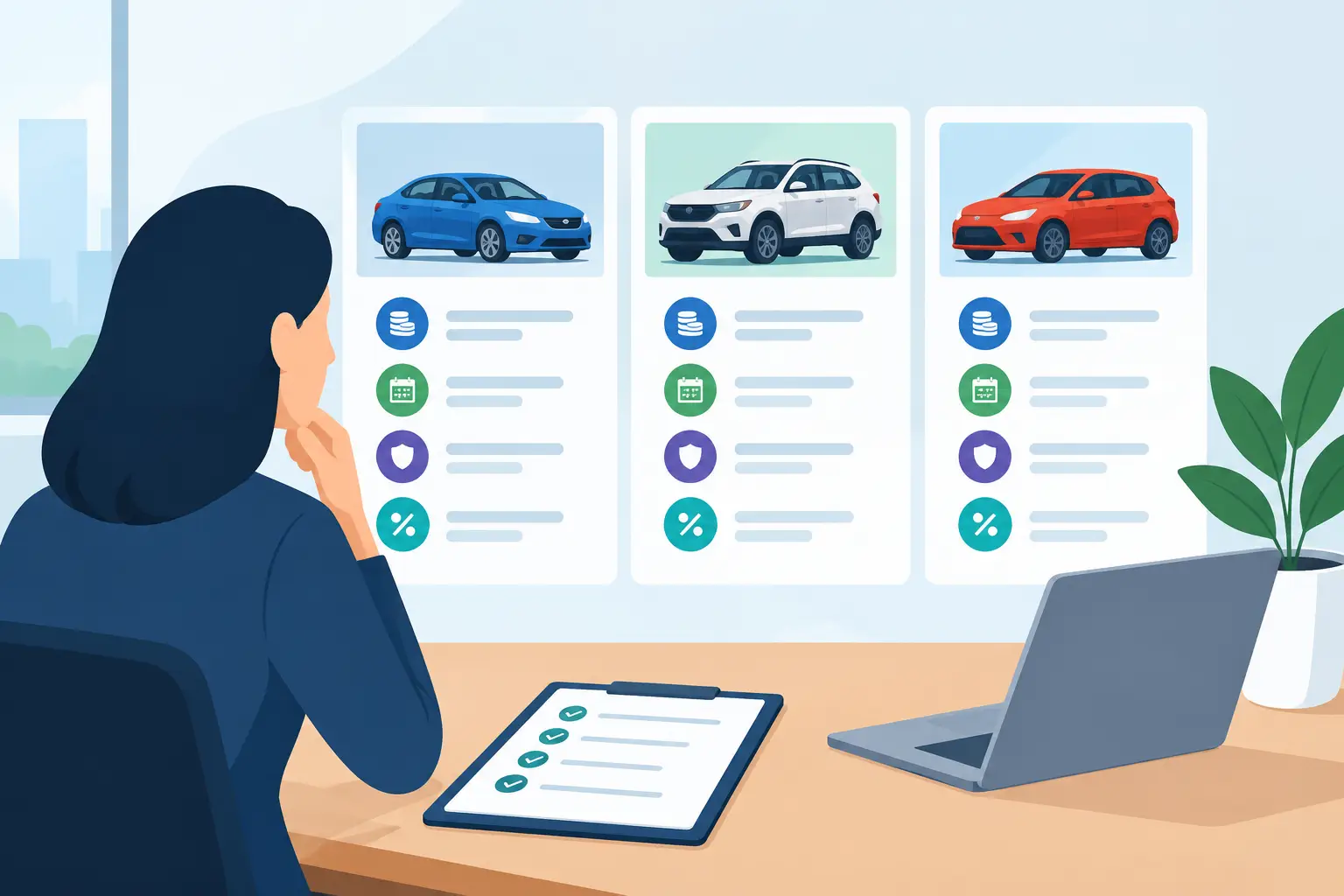
A ute, truck or piece of machinery can start earning from the day it arrives on site, but the wrong finance structure can keep costing you long after the work is done. A proper hire purchase comparison looks beyond the advertised rate and monthly repayment to show what you will actually pay, when you will own the asset and whether the agreement suits the way you operate.
Hire purchase remains a practical option for many Australian businesses and self-employed borrowers funding vehicles, equipment and commercial assets. It offers clear, fixed repayments and a defined path to ownership. The detail matters, though. Two proposals with similar repayments can have very different total costs, end-of-term obligations and flexibility.
What is hire purchase?
With hire purchase, a lender buys the asset and hires it to you for an agreed term. You make regular repayments, usually weekly, fortnightly or monthly. Once you have made all required payments and met the terms of the agreement, ownership transfers to you.
This is different from an operating lease, where you are paying to use an asset and may not automatically own it at the end. It also differs from a chattel mortgage, where you generally own the asset from the outset while the lender holds security over it.
For a tradie replacing a work ute, a transport operator adding a truck or a contractor purchasing excavating equipment, hire purchase can provide certainty. The repayments are set upfront, which can make cash flow easier to manage. Whether it is the best fit depends on the asset, the term, your deposit and how long you intend to keep it.
A hire purchase comparison starts with the total commitment
The repayment figure deserves attention, but it should never be the only number you compare. A lower repayment can result from a longer term, a larger final payment or fees built into the facility. That may be appropriate in some circumstances, but it is not automatically cheaper.
Ask for the total amount payable over the full term. This includes the financed amount, interest, establishment fees, account-keeping fees where applicable, documentation costs and any final purchase or option fee. Looking at this figure puts proposals on a like-for-like basis.
The amount financed also matters. Check whether the quote includes the vehicle or equipment price, on-road costs, accessories, insurance products or other add-ons. A $2,000 difference in the financed balance affects every repayment calculation. Make sure each lender is quoting on the same asset price, deposit and term before deciding one offer is better than another.
Compare rates carefully, not in isolation
The interest rate is a useful starting point, but it is only one part of the cost. One lender may offer a slightly lower rate with higher upfront charges. Another may have a sharper overall cost but require a different deposit or have conditions that do not suit your business.
The rate available to you can depend on the asset’s age and type, the loan amount, term, business structure, trading history and credit profile. A near-new prime mover, for example, is assessed differently from specialised plant or an older work vehicle. This is why generic online calculations are helpful for rough budgeting but are not a final comparison.
A broker can compare options from multiple lenders using your actual circumstances rather than relying on a headline rate that may not apply to your application.
Check the term, deposit and final payment together
These three settings have the biggest influence on your regular repayment and total commitment.
A larger deposit reduces the amount borrowed, which generally reduces both repayments and total interest. However, retaining cash in the business may be more valuable than putting every available dollar into the asset. The sensible balance depends on upcoming wages, fuel, materials, maintenance and other operating costs.
A longer term normally lowers the periodic repayment, helping preserve working capital. The trade-off is that you may pay interest for longer and increase the overall cost. It can also mean owing more on an asset that is depreciating or being worked hard.
Some hire purchase agreements include a balloon or final payment. This reduces regular repayments because part of the balance is left until the end of the term. It can work well where the asset is expected to retain value and you have a realistic plan for meeting that final amount. It is not a saving – it simply shifts a portion of the commitment to the end.
When comparing quotes, look at the deposit, loan term and balloon side by side. A quote with lower monthly repayments may carry a much larger final payment. That is fine if it is deliberate and affordable, not if it is a surprise at settlement.
Ownership and asset conditions need a close read
Under hire purchase, the lender retains ownership during the agreement. You have possession and use of the asset, but the transfer of ownership occurs after the final obligations are met. This can be straightforward for an owner-operator planning to keep a truck for years. It is worth considering more carefully if you expect to sell, upgrade or change vehicles before the term ends.
Ask what happens if you want to pay out the agreement early. Early payout terms vary between lenders, and the figure will not simply be the remaining repayments added together. You should also understand whether there are administration charges or other conditions attached to a payout.
Check the lender’s requirements around insurance, registration, maintenance and permitted use. Commercial vehicles and equipment can be used across states, on remote sites or for demanding contracts, so the finance terms need to suit the work. If the asset will be held in a company name but used by a director or employee, make sure the application and ownership structure are set up correctly from the start.
Consider the lender’s process, not only the offer
For many businesses, speed has a real value. Delayed delivery of a replacement truck can disrupt jobs. Waiting weeks for equipment approval may mean missing a contract or having to hire machinery at short notice.
A good finance option should have a clear application process, realistic turnaround expectations and straightforward documentation. It should also fit the asset you are buying. Some lenders are more comfortable with new vehicles, while others are better suited to specialised equipment, older assets or commercial operators with more complex income structures.
This is where comparing a panel of lenders can be more useful than approaching one lender at a time. Rivercity Finance works with more than 40 lenders, helping clients compare suitable hire purchase and asset finance options without the headache of managing multiple applications themselves.
Questions to ask before signing
Before accepting a hire purchase proposal, make sure you can answer these questions clearly: what is the total amount payable; what are the regular repayments and their frequency; is there a balloon or final purchase amount; when does ownership transfer; and what will an early payout involve?
Also confirm the asset details shown on the documents. Check the purchase price, supplier, make, model, year and any included accessories. Small errors can slow settlement, particularly when a vehicle is needed quickly for work.
If a quote is unclear, ask for an explanation in plain English. You should not have to guess whether a fee is included, whether the repayment includes a final payment, or what happens at the end of the agreement.
Choosing the option that fits the job
The best hire purchase agreement is not always the one with the lowest weekly figure. For a contractor with steady work and strong cash flow, a shorter term may reduce the total cost. For a growing business adding several vehicles, lower regular repayments may protect cash flow while the new assets begin producing income. For a consumer financing a caravan, boat or motorcycle, certainty around the end-of-term ownership process may be the priority.
A useful hire purchase comparison brings those decisions into the open. It matches the finance term to the asset, the repayments to your cash flow and the lender terms to your plans. Get the numbers explained before you sign, and the asset can get to work without unnecessary complexity.