
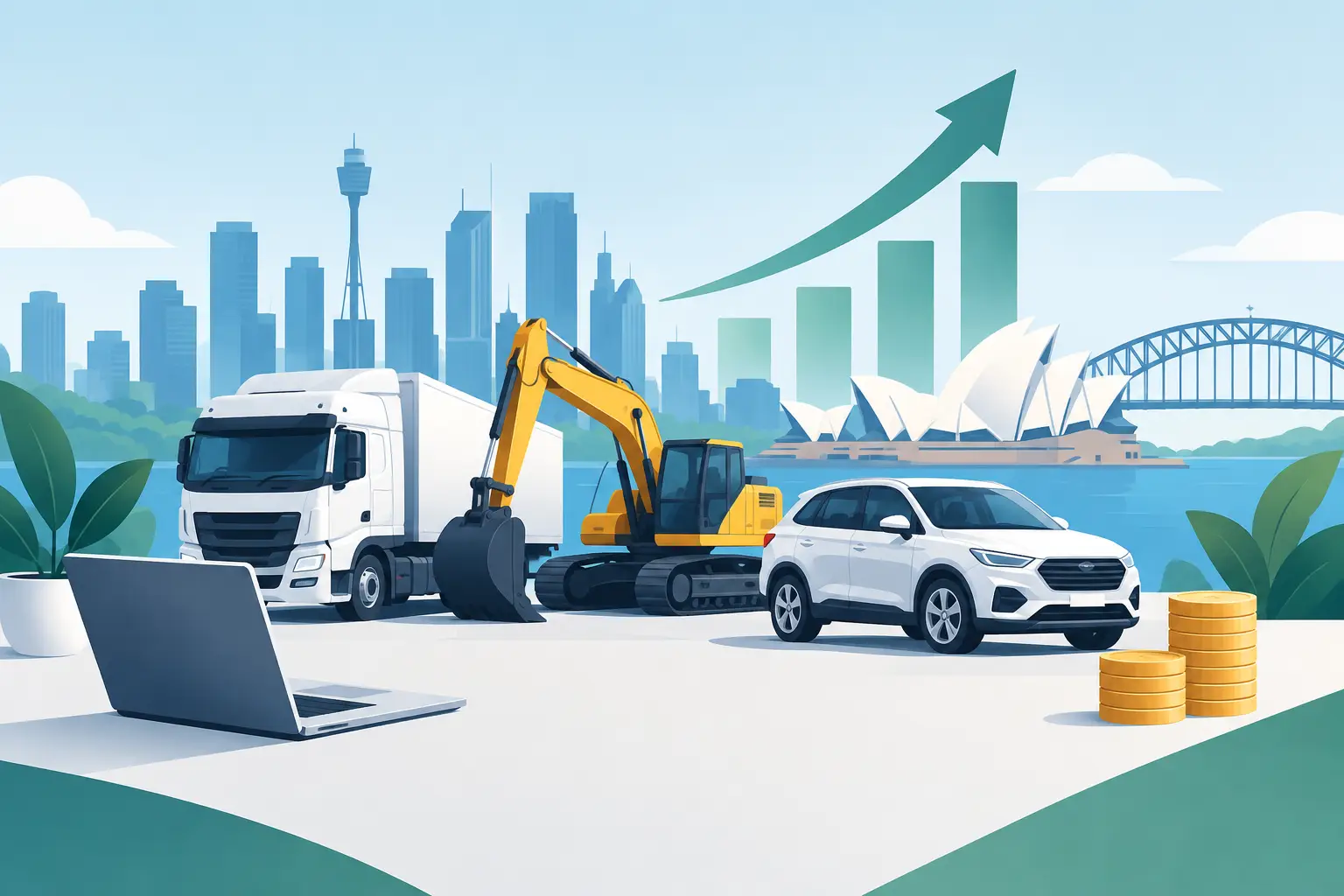
A new truck, excavator or ute can create opportunities quickly, but a slow finance process can hold up the job before it starts. The key asset finance trends Australian businesses are seeing point to a practical shift: borrowers want faster answers, clearer choices and finance that matches how the asset will actually be used.
For tradies, transport operators and growing businesses, the right finance structure is not just about getting approved. It can affect cash flow, upgrade timing and the ability to take on the next contract. Here is what is changing, and what to consider before signing on the dotted line.
Faster decisions are becoming the baseline
Business owners are less willing to wait weeks for an answer when a vehicle or piece of equipment is needed now. Whether it is replacing a broken work ute, adding a truck to a fleet or securing machinery for a new project, delays can mean missed income.
Lenders have responded by improving digital applications, document collection and electronic signing. Straightforward applications with a clearly identified asset, solid supporting information and a borrower who meets lender criteria can often move far more quickly than traditional commercial lending processes.
That does not mean every application will receive an instant outcome. A specialised item of equipment, a high-value truck, a newer business or complex company structure may need closer assessment. The useful trend is that borrowers can expect clearer communication and fewer unnecessary steps when the application is prepared properly from the outset.
A broker can make a real difference here. Rather than approaching lenders one by one, a broker can identify suitable options, explain the information required and manage the process through to settlement. That saves time and reduces the chance of submitting an application to a lender that is not a good fit.
Asset finance trends in Australia: flexibility matters more
A standard loan term does not suit every business. Seasonal work, contract-based income and the different earning life of vehicles and equipment all affect what a workable repayment looks like.
This is why more borrowers are looking beyond the headline rate and asking better questions. How long will the asset remain productive? Is it likely to be traded or upgraded in three years? Will the business have a busy period followed by quieter months? Can an upfront contribution lower regular repayments without putting pressure on working capital?
Flexible structures may include different loan terms, repayment frequencies or a balloon payment at the end of the term. A balloon can reduce regular repayments, which may suit a business that intends to retain cash flow while the asset is generating income. However, it leaves an amount owing at the end. That needs to be planned for, whether through savings, refinancing or selling or trading the asset.
There is no universally best structure. A lower monthly repayment can be useful, but it is only one part of the decision. The total amount repaid, the likely value of the asset later and the business’s plans all matter.
Used assets are a serious option, not a second choice
The market for quality used trucks, trailers, plant, machinery and business vehicles remains important. For many operators, buying used can shorten lead times and lower the initial purchase cost, especially when new stock is limited or a particular model is hard to source.
The trade-off is that lender appetite can vary. Age, kilometres, condition, asset type and resale value can influence the available terms and deposit requirements. A late-model used vehicle with a strong resale market may be treated very differently from older specialised equipment.
Before committing to a used asset, it pays to have the details ready: purchase price, supplier or seller information, make, model, year, kilometres or hours, and any relevant specifications. The clearer the asset information, the easier it is to assess finance options early. A pre-approval can also give buyers confidence when they need to move quickly on the right vehicle or equipment.
Income-producing assets are getting closer attention
Lenders still want to understand the basic story behind an application, particularly for commercial assets. What is being purchased, how will it be used and how does it support the business’s ability to meet repayments?
For an owner-driver purchasing a prime mover, the answer may be an existing transport contract or growing freight work. For a civil contractor, it could be equipment needed to deliver a secured project. For a plumber adding a ute, it may be the capacity to service more jobs each week.
This does not mean borrowers need to produce a complicated business case for every application. It does mean that a clear explanation, supported by accurate information, is helpful. Businesses with consistent trading history may have a more straightforward path, while newer businesses or self-employed applicants may need to provide additional context. The right lender matters because assessment approaches differ across the market.
Electric and hybrid vehicles are part of the conversation
Electric and hybrid vehicles are appearing more often in business vehicle discussions, particularly for metro-based businesses with predictable daily travel. Lower running costs can be attractive, while the availability of models and charging access continue to shape the decision.
For regional operators, heavy towing, long distances or remote worksites, a conventional diesel vehicle may still be the more practical choice. The trend is not that one type of vehicle suits everyone. It is that buyers are weighing whole-of-use considerations more carefully, including payload, range, downtime and the asset’s suitability for the job.
Finance should follow the operational decision, not drive it. Choose the vehicle that can reliably do the work, then consider a structure that makes sense for the expected ownership period and business cash flow.
More choice requires better comparison
A wider range of lenders can be a benefit, but it can also make comparisons confusing. Two quotes can look similar while having meaningful differences in term, repayment frequency, fees, balloon amount, security requirements and conditions.
The lowest advertised rate is not automatically the lowest-cost or most suitable option. Equally, the fastest option is not always best if it includes conditions that do not suit the purchase or repayment plan. The practical approach is to compare like with like and make sure you understand what is included.
Ask for the finance to be explained in plain English. You should know the regular repayment, the total term, whether there is a balloon, what documentation is needed and what needs to happen before settlement. Clear answers make it easier to choose with confidence.
Preparation is still the quickest path to approval
Technology has made asset finance easier, but it has not replaced good preparation. The cleanest applications usually begin with accurate information and a realistic view of the purchase.
Have the asset details and purchase invoice or quote ready where possible. Be clear about whether the asset is for business or personal use, who will be borrowing and whether a deposit is available. If the asset will produce income, be ready to explain how it fits into current work or planned growth.
Rivercity Finance works with a panel of more than 40 lenders, helping borrowers compare suitable options without the headaches of approaching multiple lenders themselves. That can be particularly useful where the asset, borrower profile or time frame calls for a more tailored approach.
The strongest trend is simple: asset finance is becoming more responsive, but the best outcomes still come from matching the right asset, lender and repayment structure to the job ahead. If you are planning a purchase, start the conversation before you need the keys or equipment on site. It gives you more choice, more time to compare and a clearer path to getting moving.