
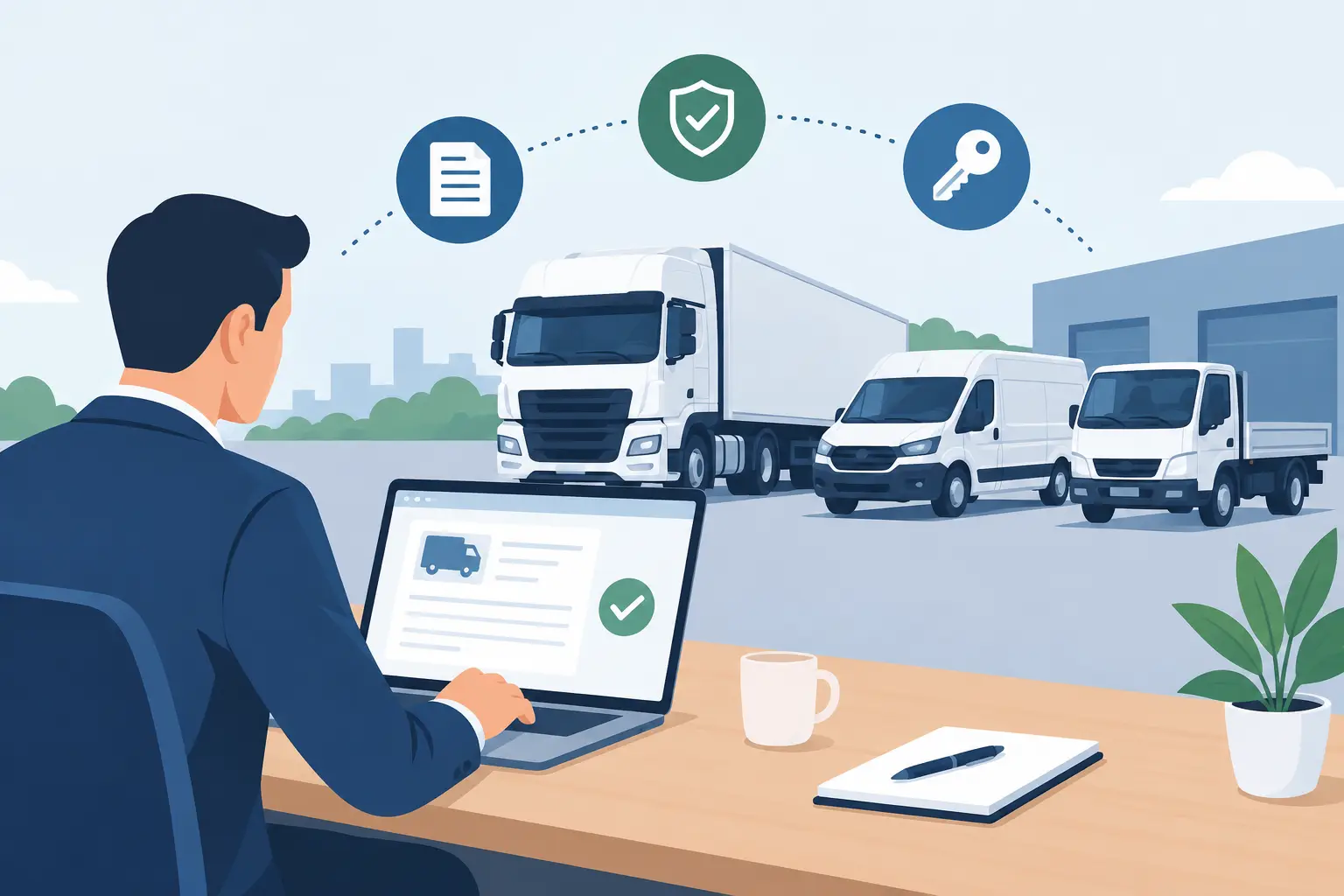
A vehicle that is off the road, too small for the work, or overdue for replacement can hold a business back quickly. When you apply for commercial vehicle finance, the aim is not just to get an approval. It is to arrange a funding option that suits the vehicle, your cash flow and the way your business operates.
Whether you are buying a ute for a growing trade business, adding a rigid truck to a transport fleet, or replacing a worn-out work vehicle, being prepared can make the process faster and far less frustrating. Here is what to expect and how to give your application the best chance of moving smoothly.
Before You Apply for Commercial Vehicle Finance
Commercial vehicle finance can be used for a wide range of income-producing vehicles, including utes, vans, trucks, tippers, trailers, refrigeration vehicles and specialised fleet vehicles. The right finance structure depends on the asset, how long you expect to keep it, whether it is new or used, and your business circumstances.
Lenders generally want to see a clear, sensible purchase. A late-model ute from a reputable dealer may be straightforward to assess. An older truck, a private-sale vehicle or a heavily modified unit can still be financeable, but it may have different lender requirements. Age limits, kilometre limits, deposit expectations and loan terms can vary considerably.
Start by confirming the vehicle details. Have the purchase price, supplier or seller information, make, model, year, kilometres and vehicle identification number available if possible. If you have not chosen the vehicle yet, an indicative approval can help you understand your likely buying range before you start negotiating.
It also pays to think beyond the sticker price. Registration, insurance, delivery, accessories, fit-outs and equipment such as toolboxes or tow packages may affect the total amount you need. Some costs may be able to be included in the finance, depending on the lender and the quote.
What Lenders Look At
Commercial vehicle finance is assessed on the full picture, not one number in isolation. A lender will consider the asset being purchased, your capacity to make repayments, your business history and the information supporting the application.
For established businesses, lenders may look at trading history, business turnover and the consistency of income. For self-employed borrowers, the quality and clarity of the paperwork matters. A business that has been operating for several years with regular work may have more options than a newer operation, but newer businesses are not automatically ruled out.
Your credit history can also be part of the assessment, along with existing commitments and the deposit you can contribute. A deposit is not always required, though contributing one may reduce the amount financed and can improve the range of options available.
The vehicle itself matters too. Lenders are usually more comfortable with assets that hold value and are easy to identify, insure and resell. That does not mean specialist equipment or older commercial vehicles are impossible to fund. It simply means lender selection becomes more important.
Get Your Documents Ready Early
The fastest applications are usually the ones with the right information ready from the start. Requirements differ by lender and applicant, but you may be asked for:
- identification and contact details
- a vehicle invoice, quote or private-sale details
- recent bank statements or evidence of income
- business information, including ABN and trading history
- details of existing finance commitments
A lender may request further information after the initial review. This is normal and does not necessarily mean there is a problem. Sometimes it is as simple as clarifying a large bank transaction, confirming the vehicle specification or providing an updated invoice.
Responding promptly keeps the application moving. If you are buying from a dealer, let them know finance is being arranged so they can provide the correct tax invoice and vehicle details without delay.
Choose the Finance Type That Fits the Job
There is no one-size-fits-all answer to commercial vehicle finance. The best option depends on how the vehicle will be used, the purchase price, your preferred repayment structure and whether you want to own the asset at the end of the agreement.
A chattel mortgage is commonly used by businesses purchasing a vehicle for business use. The business owns the vehicle from the start, while the lender takes security over it until the finance is repaid. This can suit operators who want clear ownership and a structured repayment term.
A finance lease or commercial hire purchase arrangement may suit other situations. The key is to understand the repayments, term, any final payment or residual, and what happens at the end of the agreement. A lower repayment can look attractive, but it may come with a larger amount due later. The right choice is the one that fits your actual operating cash flow, not simply the lowest advertised repayment.
Fixed-rate arrangements can provide certainty, while variable options may suit some borrowers depending on the product. Your broker should explain the practical differences in plain English before you commit.
Avoid Delays That Can Hold Up Settlement
Most hold-ups are preventable. One common issue is applying before the vehicle details are finalised, then changing the supplier, price or vehicle after conditional approval. Small changes are often manageable, but substantial changes may require the lender to reassess the application.
Private sales can take more coordination than dealer purchases. The lender may need to verify ownership, confirm that there is no existing finance owing on the vehicle and arrange documentation before funds are released. If the vehicle is needed urgently for a job, raise the timing early.
Another issue is underestimating the full purchase cost. If a truck needs a body fit-out, signage or refrigeration equipment before it can earn income, make sure those costs are discussed upfront. Leaving them out of the original application can create an unwanted funding gap later.
Finally, avoid taking on new credit commitments while your application is being assessed unless you have discussed it first. Changes to your financial position can affect the lender’s decision or require the application to be reviewed again.
Why a Broker Can Make the Process Easier
Approaching lenders one by one takes time, and each lender has different rules for vehicle age, business structure, private sales and documentation. A finance broker can assess the scenario, match it to suitable lenders and manage the application through to settlement.
That is particularly useful for tradies, transport operators and business owners whose circumstances do not fit a simple online form. You may be self-employed, buying a specialised vehicle, operating through a company or trust, or purchasing an asset needed for a contract starting soon. The application needs to be presented clearly to the right lender from the beginning.
Rivercity Finance works with a panel of more than 40 lenders, helping clients compare suitable commercial vehicle finance options without unnecessary complexity. The process starts with understanding the asset and your circumstances, then gathering the information needed to put forward a well-supported application.
A Practical Way to Start
Before submitting an application, have a straightforward conversation about the vehicle you need, the budget you are working with and how soon you need it on the road. Be upfront about your trading history, existing commitments and any features of the purchase that may need extra attention, such as an older vehicle or private seller.
Good finance should support the work the vehicle is there to do. With the right details prepared and a lender suited to your circumstances, you can focus on getting the keys, putting the vehicle to work and keeping the business moving.